

Technology has revolutionized the way businesses operate and compete. From automating tasks to enabling new business models, technology is transforming every aspect of the business world. In this article, we will explore the impact of technology on business transformation, highlighting the key trends, challenges, opportunities, and major IT roles for business transformation.
What You Need to Know
Global investment in digital transformation is anticipated to reach $2.3 trillion in 2023, with a compound annual growth rate (CAGR) of 17.5% between 2020 and 2023, according to the International Data Corporation (IDC). This demonstrates the growing amount of money being allocated to technology-driven projects that facilitate the digital transformation of many businesses. Now that you are aware of how quickly technology is being adopted throughout the world, let’s discuss some of the major technological trends, their impacts on the business world, and why every business leader should leverage technology.
Key Trends in Technology-Driven Business Transformation
Several key trends are driving technology-driven business transformation:
● The rise of cloud computing

Businesses may now access and use powerful computing resources more easily and affordably, thanks to cloud computing. This has made it possible for companies to shift their emphasis from traditional on-premises IT infrastructure to innovation and expansion. An International Data Corporation (IDC) report claims that using cloud computing can save a firm between 30 and 40 percent of the cost of traditional on-premise IT infrastructure.
● The growth of artificial intelligence (AI) [insert image]

AI is profoundly impacting businesses across all industries. In fact, according to a report by PwC, AI is expected to contribute up to $15.7 trillion to the global economy by 2030. AI-powered applications are being used by businesses to improve customer service, automate tasks, and make better business decisions.
● The proliferation of mobile devices
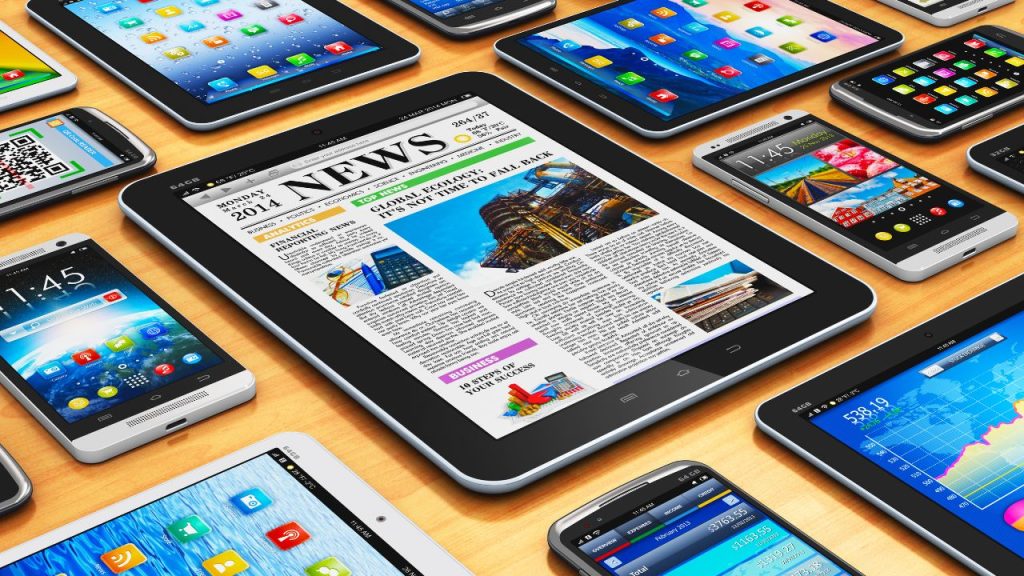
Mobile devices are now an essential part of the business landscape. Businesses use mobile devices to connect with customers, employees, and partners and deliver products and services.
● The increasing importance of data

Businesses are collecting more data than ever before. This data can be used to gain insights into customer behavior, market trends, and operational efficiency.
Impact of Technology on Business Transformation
Technology is having a profound impact on business transformation in the following ways:
● Increased efficiency and productivity: Technology is automating tasks and processes, which is freeing up employees to focus on more strategic work. For example, a survey conducted by IDG found that 72% of businesses believe that cloud computing gives them a competitive advantage by enabling faster and more efficient business operations. This means technology has significantly increased efficiency and productivity across several business organizations. As a business leader, you just might be doing yourself a great disservice if you do not join the trend.
● Improved customer experience: So far, technology such as AI has consistently proven itself to be instrumental in enhancing customer experiences. A study by Accenture revealed that 83% of surveyed executives believe that AI allows them to deliver personalized and seamless customer experiences, leading to increased customer satisfaction and loyalty.
● New business models: Technology enables new business models, such as e-commerce and subscription services, which have become increasingly prevalent. With the rise of digital platforms and online shopping, e-commerce has experienced significant growth. Statista
projects that global e-commerce sales will reach $8.15 trillion in 2026, up from $4.25 trillion in 2020. This demonstrates how technology has revolutionized the way businesses sell products and services.
● Enhanced decision-making: With advanced analytics tools and technologies, businesses can make decisions based on data rather than relying solely on intuition or experience. This helps eliminate biases and improves the accuracy of decision-making. This is leading to improved profitability and risk management.
● Competitive advantage: Businesses that are able to leverage technology effectively are gaining a competitive advantage in the marketplace. A survey by the Harvard Business Review found that companies that implement effective digital strategies outperform their competitors by 26% in terms of profitability. Even more, a study carried out by Boston Consulting Group indicates that businesses that adopt digital transformation experience 22% greater profitability and 23% greater customer satisfaction rates in comparison to their counterparts.
Challenges of Technology-Driven Business Transformation
While technology offers many benefits, there are also some challenges associated with technology-driven business transformation, including:
● Cost Implications: Implementing new technologies can be expensive, posing a barrier for small and medium-sized businesses.
● Skilled IT Professionals: A shortage of skilled IT professionals hampers the implementation and management of new technologies.
● Cybersecurity Risks: The rising threat of cyberattacks exposes businesses to potential data breaches, financial losses, and reputational damage.
● Cultural Change: Implementing new technologies often requires a cultural shift, challenging businesses that are resistant to change.
Opportunities for Businesses Embracing Technology Transformation
● Despite the challenges, there are also many opportunities for businesses that are willing to embrace technological transformation. These opportunities include:
● Increased Market Reach: Technology facilitates reaching new customers globally. ● Improved Innovation: Technology accelerates the development of new products and services. ● Cost Reduction: Automation and waste reduction contribute to cost savings. ● Enhanced Employee Engagement: Technology creates a more engaging and productive work environment.
● Greater Agility: Technology enhances business responsiveness to market changes.
Major IT Roles and Skills Needed for Business Transformation
The world of business is rapidly changing, and technology is at the forefront of this transformation. Businesses that are able to effectively leverage technology will be well-positioned for success. However, this requires having the right IT skills and expertise in place.
Here are some of the major IT roles and skills that are needed to upskill business transformation: ● IT Project Management: Ensuring timely and quality execution of IT projects ● IT Business Analysis: Identifying business needs and translating them into IT requirements ● IT Solution Architecture: Designing and developing IT solutions aligned with business needs ● IT Security: Protecting IT infrastructure and data from unauthorized access, ensuring business continuity.
[Insert graph here showing roles importance]
Data and Graphs Supporting the Impact of Technology on Business Transformation
The impact of technology on business transformation is evident in various data points and graphs:
● According to a 2023 study by Gartner, over 76% of CIOs believe that technology is a key driver of business transformation.
● A 2022 survey by McKinsey found that companies that have invested heavily in technology are outperforming their peers in terms of revenue growth and profitability.
● A 2023 study by IBM found that businesses that are early adopters of new technologies are more likely to be successful.
The graph below shows the growth of technology spending over time. As you can see, technology spending has been increasing steadily over the past few years.
Conclusion
Technology is a powerful force that is transforming the business landscape. Businesses that are able to effectively leverage technology will be well-positioned for success in the years to come. However, it is important to carefully consider the challenges and opportunities associated with technology transformation before embarking on a new initiative.
References
● Gartner (2023). Gartner CIO Survey 2023: Technology Driving Business Transformation. ● McKinsey & Company. (2022). Technology’s impact on profitability: A new look at the relationship between IT investment and financial performance
● IBM. (2023). The 2023 IBM IT Services Study: The Digital Reinvention Imperative. ● PwC Global (2019) Global Artificial Intelligence Study: Sizing the Price
● Accenture (2023) The Benefits of AI
● Statista (2023) Key Figures of E-Commerce